

Jatiluwih Village UNESCO Heritage.
Jatiluwih Village – UNESCO World Cultural Heritage Site
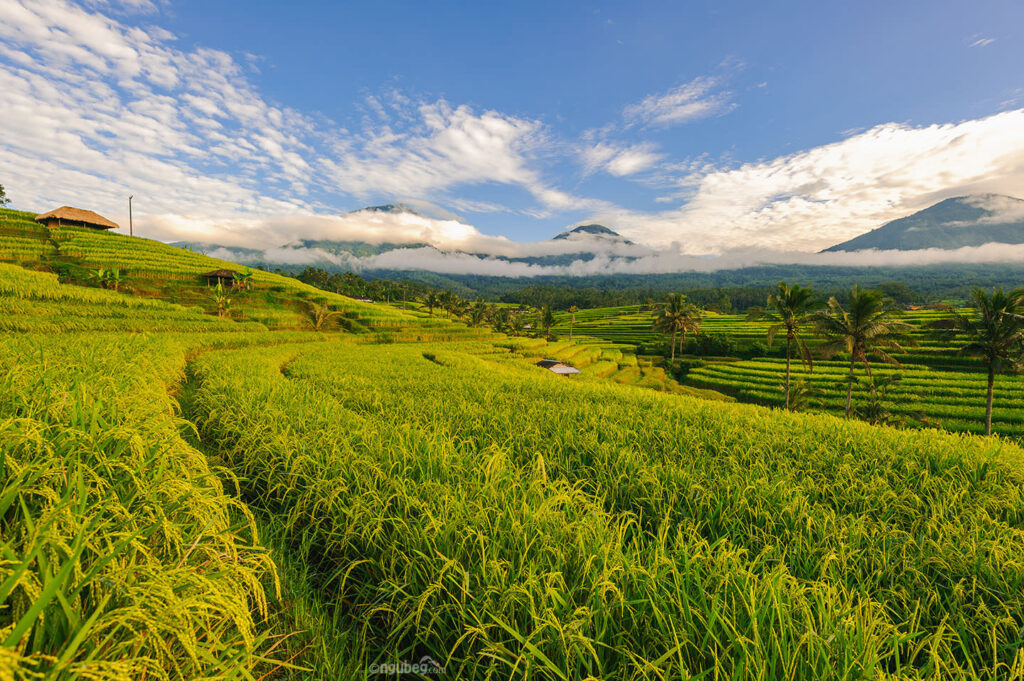
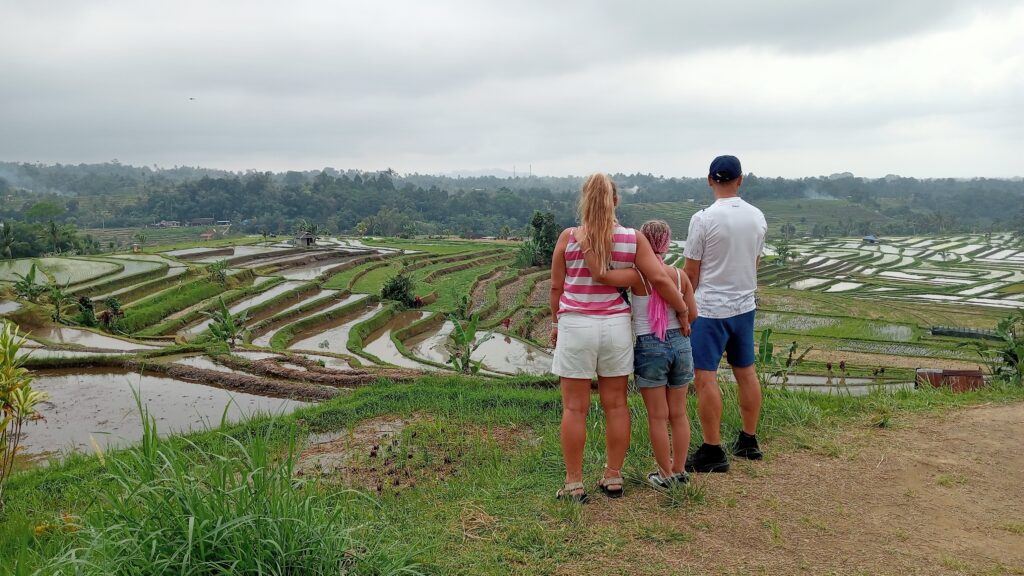
Nestled on the gentle slopes of Mount Batukaru, Jatiluwih is a breathtaking landscape of terraced rice fields that stretch endlessly across the valley. The cool mountain air, fresh breeze, and glowing shades of vibrant green create a panoramic view that feels both serene and grand. Recognized as a UNESCO World Cultural Heritage Site, Jatiluwih is admired by travelers from around the world for its natural beauty, living traditions, and timeless farming culture. The village offers a range of experiences for visitors—scenic trekking paths, peaceful villas, and charming restaurants serving both Indonesian and international cuisine. Whether for a leisurely walk, photography, cycling, or simply to unwind, Jatiluwih presents a truly authentic and restorative atmosphere.
The Subak Irrigation System
Jatiluwih is part of Bali’s ancient Subak water management system—an agricultural organization that dates back to the 9th century. Every rice farmer is a member of Subak, working collaboratively to share and regulate irrigation fairly among all fields. The system is guided by democratic leadership, community cooperation, and strong spiritual values. At the top edge of each rice field, you will find small shrines dedicated to Dewi Sri, the Balinese Hindu goddess of rice and fertility. Here, farmers perform rituals and ceremonies to honor nature, express gratitude, and seek blessings for healthy harvests. This harmony among people, nature, and spirit is what makes the Subak system truly unique—and why UNESCO recognized it as a living cultural heritage.
Unique Rice Varieties & Traditional Farming
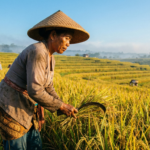
Farmers in Jatiluwih cultivate heritage rice varieties that differ from modern rice plants. These local rice plants grow taller and require a longer cultivation period, but they are known for being rich in nutrients and full of flavor. The rice comes in several natural varieties—white, red, and black—and is used not only as daily food but also in local cakes, rice tea, and traditional beverages such as Arak and Brem. Rice farming here remains deeply traditional and is passed down from generation to generation. The process begins with plowing the soil, either with cows or machines, allowing water to flow in while removing weeds. The fields are carefully irrigated, fertilized, drained, and re-watered in delicate cycles over several months. Farmers also set up “scare-bird” decorations to protect the crops from hungry flocks. About two months before harvest, water flow is stopped to allow the rice to ripen and dry naturally, preparing it for an easier and more efficient harvest.
Jatiluwih is not only a place to see.
It is a place to feel — to witness the rhythm of life shaped by community, nature, and devotion.
A landscape where culture and the environment remain in perfect, timeless harmony.